Who Needs Sleep Hygiene for Active Lifestyles?
If you’re someone who juggles workouts, sports, or physical jobs with daily responsibilities, sleep hygiene isn’t just nice-to-know – it’s your secret weapon. Active people ages 18-55 often struggle most with consistent quality sleep. Why? Your body needs more recovery time than sedentary folks, but you have the same 24 hours as everyone else.

Printeboek
on Pixabay
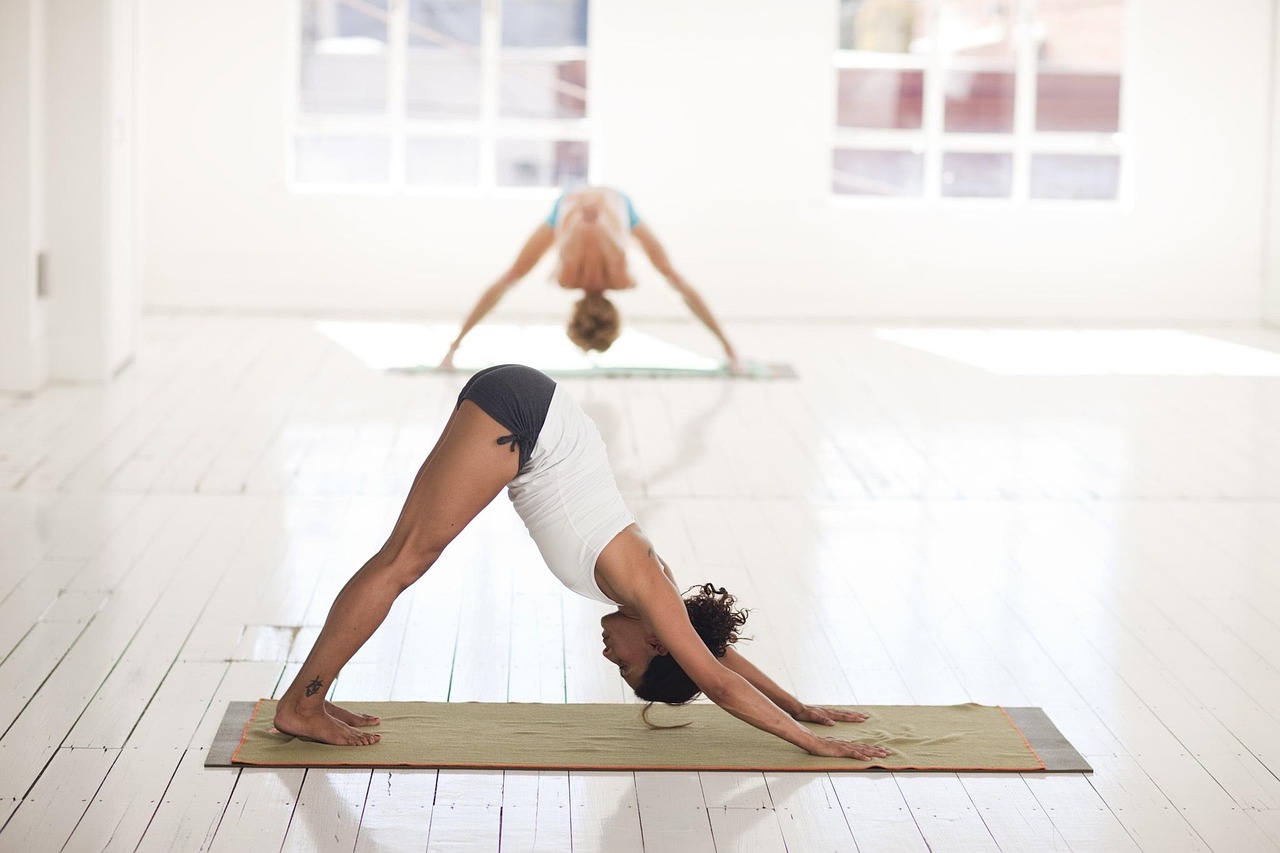
The athletes, gym regulars, manual laborers, parents chasing toddlers, and even desk workers who cram workouts into packed schedules face this challenge. Sleep hygiene for active lifestyles means building habits that let your body actually benefit from all that movement.
The 3 Biggest Sleep Mistakes Active People Make
Most problems come from good intentions gone wrong:
- Late-night workouts: “I’ll just hit the gym after the kids sleep” sounds practical until your core temperature stays elevated till 1 AM.
- Pre-sleep fuel obsession: Chugging protein shakes or eating heavy meals within 2 hours of bed disrupts digestion.
- Weekend rebound sleep: Sleeping in 3+ hours on Saturdays creates jet lag-like confusion for your body clock.
What Science Shows (2025 Findings)
A 2026 University of Michigan study tracked 1,200 active adults and found:
- 63% used phones in bed to track workouts, defeating sleep attempts
- Morning exercisers fell asleep 22 minutes faster than night exercisers
- Just 45 minutes of weekly daylight exposure improved sleep quality by 31%
Sleep Hygiene for Active Lifestyles: Start With These 4 Priorities
Forget overhauling everything overnight. These matter most:
1. Light Control
Light triggers wakefulness. Active people often rise early or finish late:
- Get 10 minutes of morning sunlight without sunglasses to set your rhythm
- Use dim red bulbs in night lights (blue light kills melatonin)
2. Temperature Tricks
Muscle recovery happens faster in cooler rooms:
- Shower 90 minutes before bed – body cooling signals sleep time
- Keep bedrooms at 65-68°F (18-20°C) if possible

StockSnap
on Pixabay
3. The Wind-Down Window
Post-workout or physical work, your nervous system needs to shift:
- Try 10 minutes of light stretching (not intense yoga)
- Audio-only content instead of screens
4. Schedule Buffers
Treat sleep prep like an important meeting:
- Stop strenuous activity 3 hours before bedtime
- Eat your last meal 2-3 hours before bed
Home Routines That Don’t Require Perfection
Try these adjustable habits:
Movement & Recovery
- If you train late, do a 5-minute cool-down walk afterward
- Use foam rolling in the evening – it eases muscles without revving you up
Food & Drink Adjustments
- Post-workout meals: liquids digest faster than solids if eating late
- Replace pre-bed alcohol with tart cherry juice (melatonin boost)
How Sleep Impacts Your Entire Active Life
Poor sleep hygiene doesn’t just make you tired:
- Immunity: A single night of <6 hours sleep lowers infection-fighting cells by 70% (2025 Johns Hopkins data)
- Mental Strain: Sleep-deprived brains perceive effort as 30% harder (2026 sports psychology study)
- Injury Risk: Consistent <7 hours sleep doubles injury rates in active adults
Who Should Be Extra Careful
Self-guided sleep hygiene isn’t safe if you:
- Take stimulant medications (ADHD, asthma, etc.)
- Have diagnosed sleep disorders (sleep apnea, chronic insomnia)
- Experience persistent exhaustion despite 7+ hour sleeps
Shift workers and people with chronic pain need customized plans. Consult a sleep specialist if unsure.
Frequently Asked Questions
Can I nap after bad sleep?
Yes, but keep naps under 25 minutes before 3 PM. Longer or later naps interfere with nighttime sleep.
Do sleep trackers help?
Basic heart rate tracking is useful. Obsessing over “sleep scores” creates stress that ruins sleep. Use data gently.
Is waking up at night normal?
Yes! Historical sleep patterns included waking for 1-2 hours mid-night. Only worry if you can’t fall back asleep within 20 minutes.
The Active Sleeper’s Mindset Shift
Sleep hygiene for active lifestyles isn’t about rigid rules. Think like a craftsman building something that withstands the tides. Consistent small habits matter more than one perfect routine. When travel, illness, or life disrupts your sleep – start fresh the next night.
This guide is for general wellness education and not a substitute for professional medical advice.
For more simple, balanced health guides, follow Health Times for daily wellness tips.